
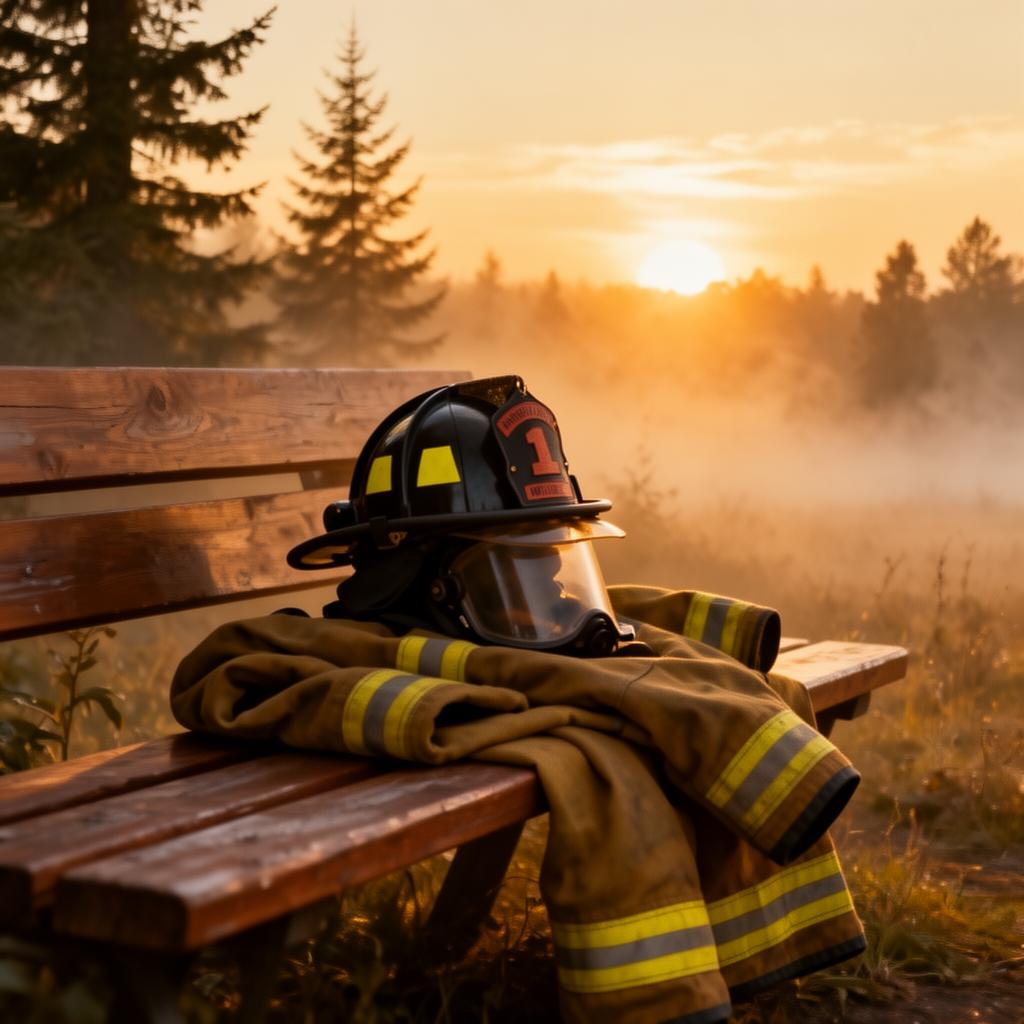
Specialty · PTSD & trauma
PTSD & trauma therapy for first responders in Utah.
You might recognize this
Some of this sounds familiar.
Sleep is broken — early waking, nightmares, or the kind of sleep that doesn’t feel like rest.
Anger comes faster and bigger than the situation deserves, then collapses into shame.
You feel less than you used to — flatter, more distant, both at work and at home.
Specific cues — a smell, a tone, a time of year — drop you back into the body of an old call.
How I help
The work, unhurried.
We treat PTSD with the methods the research actually supports: EMDR and Accelerated Resolution Therapy (ART), layered with practical work on sleep, anger, and the relationships taking the hits.
For single-incident trauma, the work is often more contained — a handful of reprocessing sessions on a clearly identified target. For cumulative and complex trauma, we sequence targets, build resourcing, and pace the work to what your system can hold.
You stay in the driver's seat the entire time. You don't have to describe every detail, you can stop at any point, and we measure shifts in actual life — sleep, startle, anger, closeness — not just in a mood survey.
No outcome guarantees. Trauma treatment is evidence-supported, not magic. What I can promise is honest, paced, well-trained work in the methods that have the strongest track record for what you carry.
What to expect
- A free 15-minute call — no pressure, just see if we fit.
- Honest intake — your story, your goals, your pace.
- 50-minute sessions, weekly or biweekly.
- Telehealth anywhere in Utah, or in-person in Midvale.
The practical part
Where
Telehealth across Utah, or in-person in Midvale.
Investment
$150 per 50-minute session. Out-of-network superbill on request. No referral needed.
First step
A free 15-minute call to see if we're a fit.
FAQ
Common questions.
I never had one big event. Can I still have PTSD?+
Yes. Cumulative trauma — hundreds of smaller exposures over a career — can produce the same symptom picture as a single event. We treat the pattern, not just the headline.
What's the difference between PTSD and complex PTSD?+
PTSD is usually anchored to identifiable events. Complex PTSD develops out of prolonged, repeated exposure (combat, careers in emergency response, long-running interpersonal trauma) and tends to involve more identity, relational, and emotion-regulation pieces. Treatment shape changes accordingly.
Will treatment make me worse before it makes me better?+
Trauma work can stir things up — that's why we start with stabilization, only move into reprocessing when your system is ready, and pace the work to what you can carry between sessions. You set the speed.
The body remembers.
It can also learn to put it down.
Brian Lewis, LCMHC · Midvale, Utah · Telehealth across Utah · Utah LCMHC license #5497978-6009